A man in his 30s living in Kannai, Yokohama, visited Spine Chiropractic with neck pain accompanied by numbness extending into his left arm and hand.
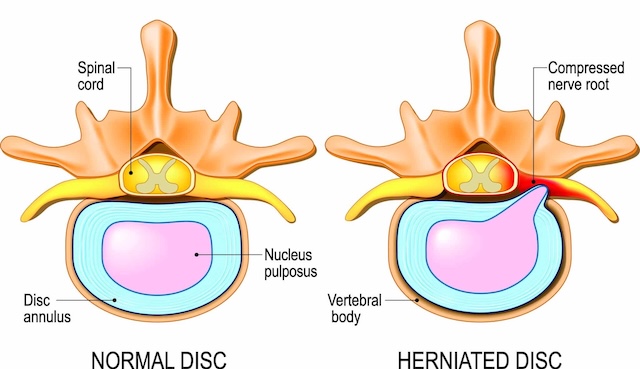
(Note: The image is a free stock photo.)
He had been experiencing frequent neck pain for approximately two months. About two weeks after the neck pain first appeared, numbness began developing in his left arm and gradually extended to his fingertips and the entire palm.
He initially visited a nearby orthopaedic clinic, where an X-ray showed narrowing of the disc space between C5 and C6. However, no definitive diagnosis was made at that stage, and he was prescribed pain medication.
As his symptoms did not improve, he subsequently visited a general hospital. An MRI examination confirmed a cervical disc herniation. He was prescribed Voltaren, but his symptoms persisted. The doctor also recommended a cervical nerve root block injection.
He felt uncomfortable with the idea of receiving an injection in his neck and wanted to explore other options. After researching alternative approaches, he came across Spine Chiropractic and decided to visit my clinic.
Initial Examination
Medical Interview
His symptoms had progressively worsened over the preceding two months.
Approximately two weeks after the onset of neck pain, numbness began to develop in his left arm. The sensation extended all the way to his fingertips and was present throughout his palm.
Neck movements aggravated the numbness, particularly when he looked upward, which significantly increased the symptoms in his left hand.
He also experienced considerable neck pain upon waking in the morning. He had tried changing his pillow and even sleeping without one, but neither adjustment had provided relief.
Although Voltaren helped reduce the pain, it caused stomach discomfort, so he was trying to limit his use of the medication.
Visual Inspection
During the consultation, I observed a rounded upper-back posture, forward-rolled shoulders, a posteriorly tilted pelvis, and a forward head position.
These postural features were noted as part of the overall physical assessment. However, posture alone cannot establish the cause of a cervical disc herniation or the associated neurological symptoms.
Static Palpation
Palpation revealed increased muscle tension around both shoulders and the cervical region.
Particularly noticeable tension was present in the muscles surrounding the left scapula, along with a tendency for the scapula to sit in a more laterally displaced position.
Motion Palpation
Neck movements in multiple directions reproduced radiating numbness into the left arm.
The symptoms were particularly pronounced during cervical flexion (looking downward).
In contrast, movements of the left arm itself did not significantly reproduce his symptoms.
Orthopedic Tests
Cervical Compression Test: Positive
Applying downward pressure to the cervical spine increased the numbness in his left arm.
Cervical Distraction Test: Positive
Gentle traction of the cervical spine reduced the numbness in his left arm.
These responses were consistent with possible cervical nerve root involvement. However, orthopedic tests alone cannot determine the precise location or severity of nerve compression.
Vertebral Artery Test: Recorded as Negative
The original examination record documented a negative result. However, this test cannot reliably exclude vertebral artery pathology or confirm normal blood flow to the brain. A negative result should not be interpreted as proof that vascular conditions are absent.
Neurological Examination
Myotome – Muscle Strength
- Left shoulder abduction (deltoid): 3/5
He was able to raise his arm independently but could not maintain the position when resistance was applied.
Dermatome – Sensory Assessment
- Reduced sensation was noted along the left thumb-side region, corresponding approximately to the C5–C6 sensory distribution.
Deep Tendon Reflexes
Reflex testing was not performed during the initial examination.
The combination of reduced deltoid strength and altered sensation indicated objective neurological deficits in the left upper limb. These findings required careful monitoring and appropriate medical follow-up, rather than being attributed solely to muscular tension.
Where possible, changes in muscle strength, sensation, and deep tendon reflexes should be documented at subsequent assessments. This allows neurological function to be compa
Initial Treatment
Given the patient’s significant left arm numbness and the neurological deficits identified during the examination, I approached the initial session cautiously.
His symptoms were easily aggravated by certain neck movements, so I minimised direct treatment to the symptomatic cervical region.
The initial treatment focused primarily on the surrounding soft tissues, including the muscles extending from the cervical region through the shoulder and into the upper arm.
I also assessed cervical range of motion and monitored his symptoms throughout the session.
Since gentle cervical traction reduced the numbness in his left arm, traction therapy was incorporated within a comfortable range.
The initial approach consisted of:
- Soft-tissue treatment around the cervical and shoulder regions
- Assessment of cervical range of motion and symptom response
- Gentle cervical traction, guided by the patient’s response
A follow-up visit was recommended three days later.
Clinical consideration: The presence of measurable muscle weakness and sensory loss warrants medical follow-up. Chiropractic care should not replace medical assessment or delay appropriate treatment. The suitability of any manual therapy, particularly cervical procedures, must be considered carefully in light of the neurological findings.
Treatment Progress
Second Visit (3 Days Later)
He visited after work, and we reviewed his condition over the previous three days.
Immediately after the first treatment, he had experienced an improvement of approximately 6/10 in his symptoms. However, by the following morning, the symptoms had returned to approximately their original level.
As he had not experienced any clear worsening following the previous session, I continued with a cautious approach.
In addition to cervical traction, I performed soft-tissue treatment on the sternocleidomastoid muscle at the front of the neck.
Third Visit (3 Days Later)
As with the previous visit, his symptoms eased slightly after treatment but had returned by the time he came in.
However, he reported that his neck pain had remained reduced compared with the initial consultation.
I continued with a similar treatment approach while monitoring his response.
Fourth Visit (3 Days Later)
By this visit, the improvement following treatment was beginning to last longer.
His neck pain had eased, and the area affected by numbness in his left arm had started to become smaller.
Considering this progress, I extended the interval between appointments to one week.
Fifth Visit (1 Week Later)
Both the intensity and distribution of his symptoms continued to improve gradually.
At this stage, I performed spinal adjustments for the first time, specifically to C2 in the upper cervical spine and T3 in the thoracic spine.
These adjustments were not performed directly at the affected C5–C6 disc level.
He experienced some temporary numbness following the treatment, so I advised him to monitor his symptoms carefully.
Sixth Visit (1 Week Later)
He reported that the numbness had temporarily increased on the day after the previous treatment, but subsequently settled.
By the time he returned, he was feeling considerably better.
Cervical mobility had also improved, so I incorporated cervical mobilisation into the treatment.
Although the original treatment plan included addressing his straight-neck posture, the priority remained his symptoms and neurological function rather than attempting to change the appearance of the cervical curve alone.
Seventh Visit (1 Week Later)
His neck pain had settled considerably, and the numbness in his left arm had continued to improve.
I performed a similar treatment approach and extended the interval before his next appointment to two weeks.
He remained under observation at the time of the last recorded visit.
It is important to note that an improvement in pain and numbness does not necessarily confirm full recovery of neurological function. Changes in muscle strength, sensation, and reflexes should continue to be assessed, particularly given the initial finding of reduced deltoid strength.
Practitioner’s Opinion
This case involved a man in his 30s with an MRI-confirmed cervical disc herniation, accompanied by neck pain and radiating numbness into the left arm and hand.
One of the most important findings was the reduced strength of the left deltoid muscle, recorded as 3/5, together with diminished sensation around the left thumb-side region.
These findings suggest neurological involvement and should not be regarded as a simple muscular tension problem.
Cervical disc herniation can irritate or compress nearby nerve roots, potentially causing neck pain, radiating arm pain, numbness, sensory changes, and muscle weakness. The specific neurological findings depend on which nerve structures are affected.
In this case, cervical compression increased the patient’s arm symptoms, while cervical distraction reduced them. These responses were consistent with possible cervical nerve root involvement, although they cannot independently establish the precise level or severity of the condition.
During the initial session, I avoided direct cervical joint manipulation and focused on the surrounding soft tissues and gentle traction, which reduced his symptoms. Subsequent treatment was adjusted according to his reported response and clinical presentation.
However, it is important not to assume that forward head posture, reduced cervical curvature, or vertebral rotation directly caused the disc herniation. These findings may be relevant when assessing movement and mechanical loading, but they do not establish the underlying cause of the disc pathology.
Neurological monitoring is particularly important in cases involving measurable muscle weakness or sensory loss. At follow-up appointments, muscle strength, sensory distribution, and deep tendon reflexes should be reassessed and documented wherever possible. Any new or progressive neurological deficit requires prompt medical reassessment.
In this case, the patient’s neck pain and arm numbness improved over the course of the recorded treatment sessions. However, without documented follow-up neurological measurements, it would not be appropriate to conclude that the initial muscle weakness and sensory deficit had fully resolved.
Chiropractic care should be considered alongside appropriate medical management, not as a replacement for it. When neurological deficits are present, decisions about treatment suitability and technique must be made cautiously and in consideration of the patient’s medical assessment.
Neck Pain and Arm Numbness in Yokohama
At Spine Chiropractic, I assess neck pain, shoulder discomfort, and numbness extending into the arms and hands through a detailed consultation and physical examination.
Rather than focusing only on the painful area, I also consider cervical and thoracic mobility, shoulder and scapular function, and the surrounding soft tissues.
My approach is tailored to each patient’s presentation, with particular care taken when neurological symptoms are present.
Are you experiencing any of the following symptoms?
- Neck pain accompanied by numbness or tingling in the arm or hand
- Arm numbness that becomes worse when looking up or down
- Pain or altered sensation extending from the neck into the shoulder, arm, or fingers
- A diagnosis of cervical disc herniation
- Persistent neck pain affecting work or everyday activities
- Weakness in the arm or difficulty lifting or holding objects
Spine Chiropractic is located in Naka Ward, Yokohama, just a one-minute walk from Bashamichi Station. The clinic is also accessible from JR Kannai Station, Nihon-Odori Station, and JR Sakuragicho Station.
If you are looking for an English-speaking chiropractor in Yokohama and are experiencing neck pain or arm numbness, you are welcome to contact my clinic.
I provide consultations in both English and Japanese.
Important: If you experience progressive arm or hand weakness, difficulty with fine hand movements, problems with balance or walking, or changes in bladder or bowel function, seek prompt medical assessment. These symptoms may indicate more serious neurological involvement. Chiropractic treatment should not delay medical evaluation.cated to delivering professional, patient-centered chiropractic care with integrity and clinical expertise.