Pain Below the Kneecap Improved with Chiropractic Care in Yokohama
Patellar Tendon Pain
A woman in her 40s living in the Kannai area of Yokohama visited our clinic with pain below her right kneecap (patellar tendon) that had persisted for approximately two months.
She worked primarily at a desk and spent most of her day sitting. In addition, she regularly cared for her young children, requiring frequent squatting, kneeling, and repeated trips up and down the stairs at home.
Initially, she only noticed mild discomfort below the kneecap when walking downstairs. Assuming it would resolve on its own, she continued her normal daily activities.
Over time, however, the pain gradually worsened. Squatting, standing up from a chair, and kneeling became increasingly painful, and eventually she found it difficult to sit in the traditional Japanese seiza position.
She visited an orthopedic clinic where X-rays showed no fractures or significant joint abnormalities. She was prescribed anti-inflammatory medication and topical pain-relief patches, but her symptoms did not improve.
She told us,
“Since nothing was broken, I was relieved, but the pain was affecting my daily life. My husband had previously received treatment for lower back pain here with excellent results, so I decided to come in myself.”
Because her symptoms had persisted despite conservative management, we performed a comprehensive musculoskeletal assessment rather than focusing solely on the painful knee.
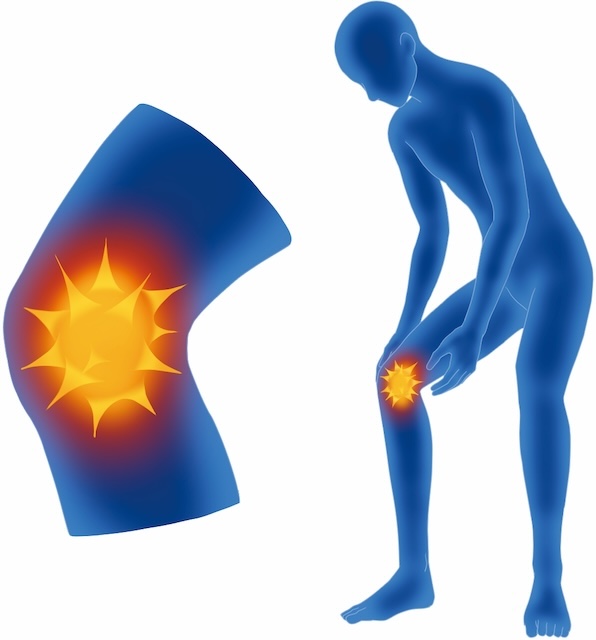
[Initial Symptoms]
Interview:
The pain was localized directly below the patella at the patellar tendon.
Symptoms were aggravated by:
- Walking downstairs
- Squatting
- Standing up from a chair
- Kneeling or sitting in the seiza position
Walking on level ground was generally comfortable, although prolonged walking caused a dull ache at the front of the knee.
Visual Inspection:
The patient unconsciously shifted weight away from her right leg while standing.
During a squat assessment, she compensated by placing more weight on the left side to avoid loading the painful knee.
Static Palpation:
Tenderness was present along the central portion of the patellar tendon extending toward the tibial tuberosity.
Significant muscle tightness was noted in the quadriceps, particularly the rectus femoris and vastus lateralis.
Restricted soft tissue mobility was also found around the patella.
Increased muscle tension was additionally present throughout the hamstrings and gluteal muscles.
Motion Palpation:
The knee demonstrated full passive range of motion.
However, pain was reproduced between approximately 30° and 60° of knee flexion.
Further assessment revealed reduced hip extension and limited ankle dorsiflexion, increasing mechanical stress on the patellar tendon during squatting and stair descent.
Orthopedic Tests:
- McMurray Test: Negative
- Lachman Test: Negative
- Anterior Drawer Test: Negative
- Valgus Stress Test: Negative
- Varus Stress Test: Negative
No clinical findings suggested ligament injury or meniscal pathology.
Muscle Strength Examination:
Neurological strength testing was normal.
However, pain prevented the patient from performing a single-leg squat on the affected side.
[Initial Treatment Plan]
Assessment indicated that the patient’s pain was not solely due to irritation of the patellar tendon itself.
Instead, excessive loading of the tendon appeared to result from increased quadriceps muscle tension combined with reduced mobility of the hip and ankle joints.
Treatment began with interferential current therapy to reduce muscular hypertonicity while encouraging gentle, pain-free knee movement to restore coordinated muscle function.
This was followed by instrument-assisted soft tissue mobilization and myofascial release targeting the quadriceps, patellar tendon region, and iliotibial band to improve tissue mobility.
A biomechanical assessment also identified functional restrictions involving the pelvis, hip, and ankle that altered lower limb movement patterns and increased stress on the front of the knee.
Specific chiropractic adjustments were therefore performed to improve joint function and restore more efficient movement throughout the kinetic chain.
The patient was also instructed in a home exercise program including quadriceps, gluteal, and calf stretching, together with functional squat retraining.
[Prognosis]
First Visit
Immediately after treatment, pain during squatting was significantly reduced.
The patient commented,
“Standing up already feels much easier.”
Because the symptoms had developed gradually over several months, a follow-up appointment was scheduled one week later to monitor progress.
Second Visit
Pain while using stairs had almost completely resolved.
She was once again able to kneel comfortably, although a slight feeling of tightness remained during deeper squatting.
Treatment focused on restoring muscle balance throughout the lower extremity.
Third Visit
The patient reported no pain during normal daily activities.
She had returned to caring for her children and household tasks without limitation.
To reduce the likelihood of recurrence, monthly maintenance care together with continued home stretching was recommended.
She concluded by saying,
“I wish I had come much sooner. If I have another problem, this clinic will be my first choice.”
[Practitioner’s Opinion]
Pain below the kneecap is not limited to athletes.
Many people develop patellar tendon pain because prolonged sitting, repetitive daily activities, and reduced flexibility gradually increase stress on the tendon.
In this case, the painful tendon itself was only part of the problem.
Restricted movement in the hip, pelvis, and ankle altered lower limb biomechanics, placing excessive load on the patellar tendon during everyday activities such as walking downstairs and squatting.
Although symptoms may improve with rest, recurrence is common if the underlying movement dysfunction is not addressed.
At Spine Chiropractic, we evaluate not only the site of pain but also joint mobility, muscle coordination, posture, and movement patterns to identify contributing factors and provide individualized evidence-informed care.
We provide chiropractic care in both English and Japanese for local residents, international patients, and visitors to Yokohama.
If you are experiencing pain below the kneecap, patellar tendon pain, anterior knee pain, pain when going downstairs, or pain while squatting or kneeling, please feel free to contact Spine Chiropractic.
This case report has been anonymised to protect patient privacy. Individual treatment outcomes may vary.
At Spine Chiropractic, I provide evidence-based treatment for a wide range of musculoskeletal conditions, including acute back pain, neck pain, and thoracic strain, that directly impact daily life. This is not simply a relaxation service, but focused chiropractic care aimed at restoring function and reducing pain.
Spine Chiropractic is conveniently located in central Yokohama, just a one-minute walk from Bashamichi Station, eight minutes from Nihon-Odori Station, seven minutes from JR Kannai Station, and 12 minutes from JR Sakuragicho Station. The clinic is easily accessible for residents, office workers, and international patients seeking an English-speaking chiropractor in Yokohama.
If you are experiencing acute low back pain, neck stiffness, joint pain, or are looking for postpartum pelvic alignment care, please feel free to visit Spine Chiropractic. I am dedicated to delivering professional, patient-centered chiropractic care with integrity and clinical expertise.